The Dead Sea Scrolls
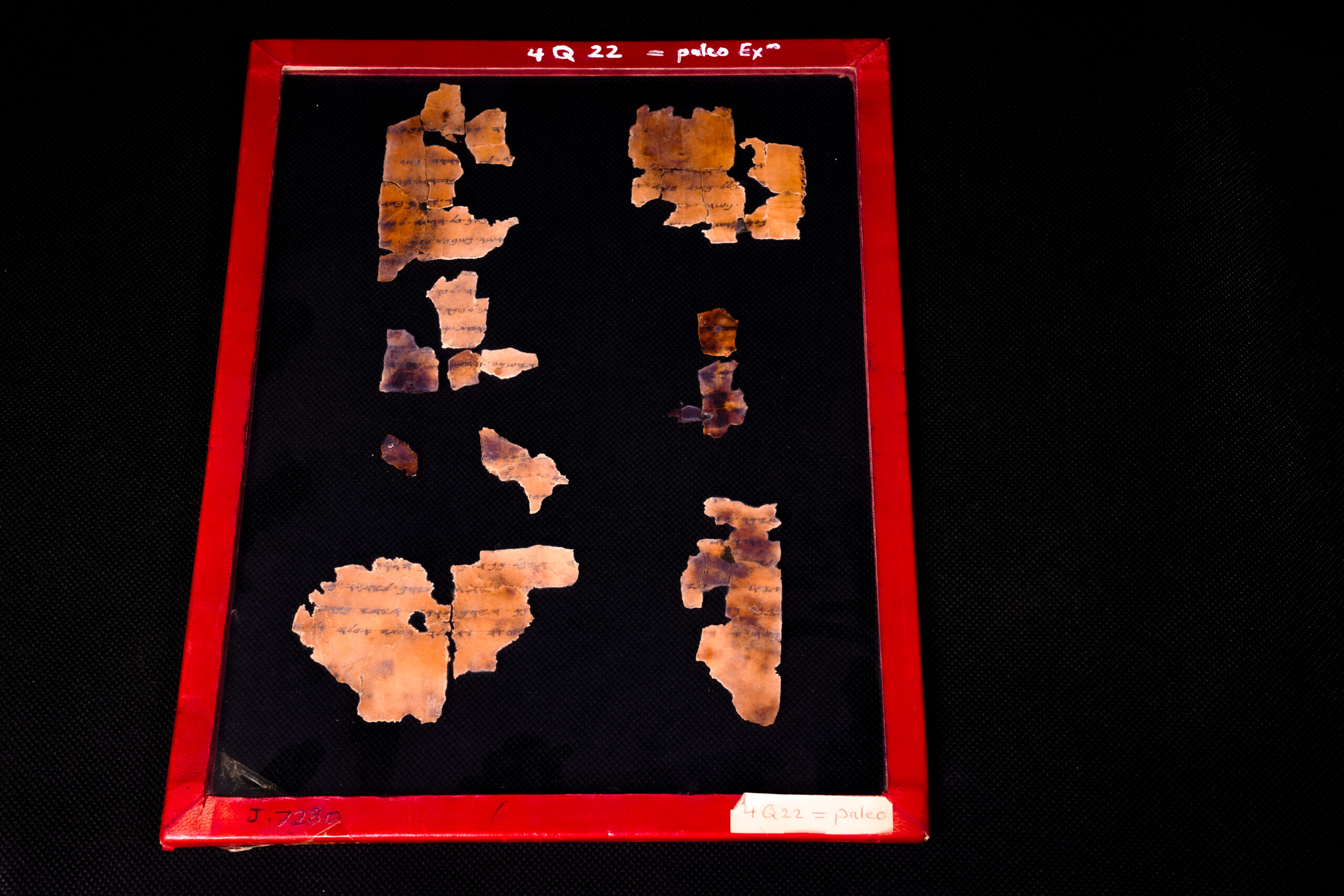
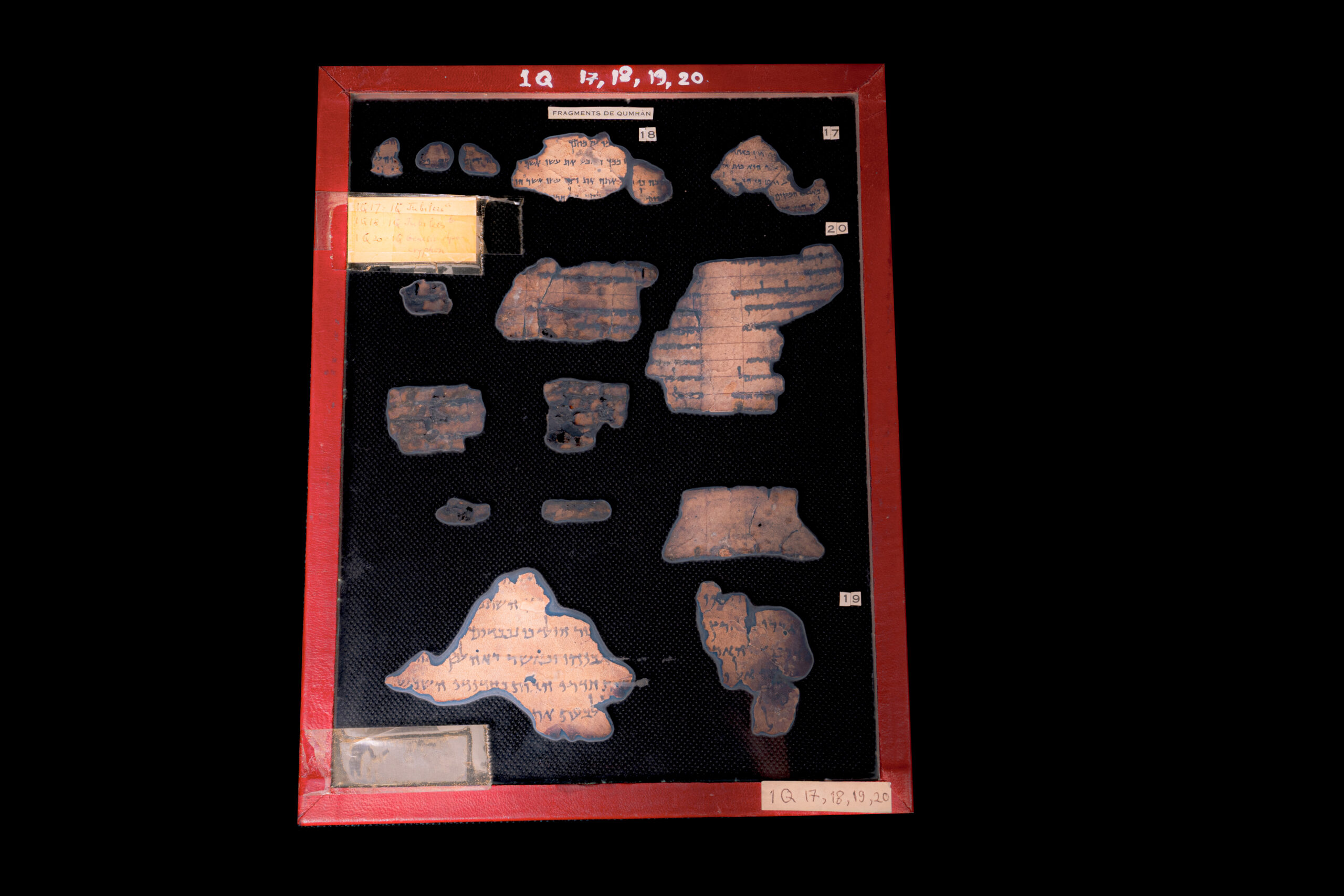
The Dead Sea Scrolls are of religious and historical importance because they include the only known surviving copies of Biblical documents made before AD 100. These scrolls consist of around 1,000 documents, including texts from the Old Testament.
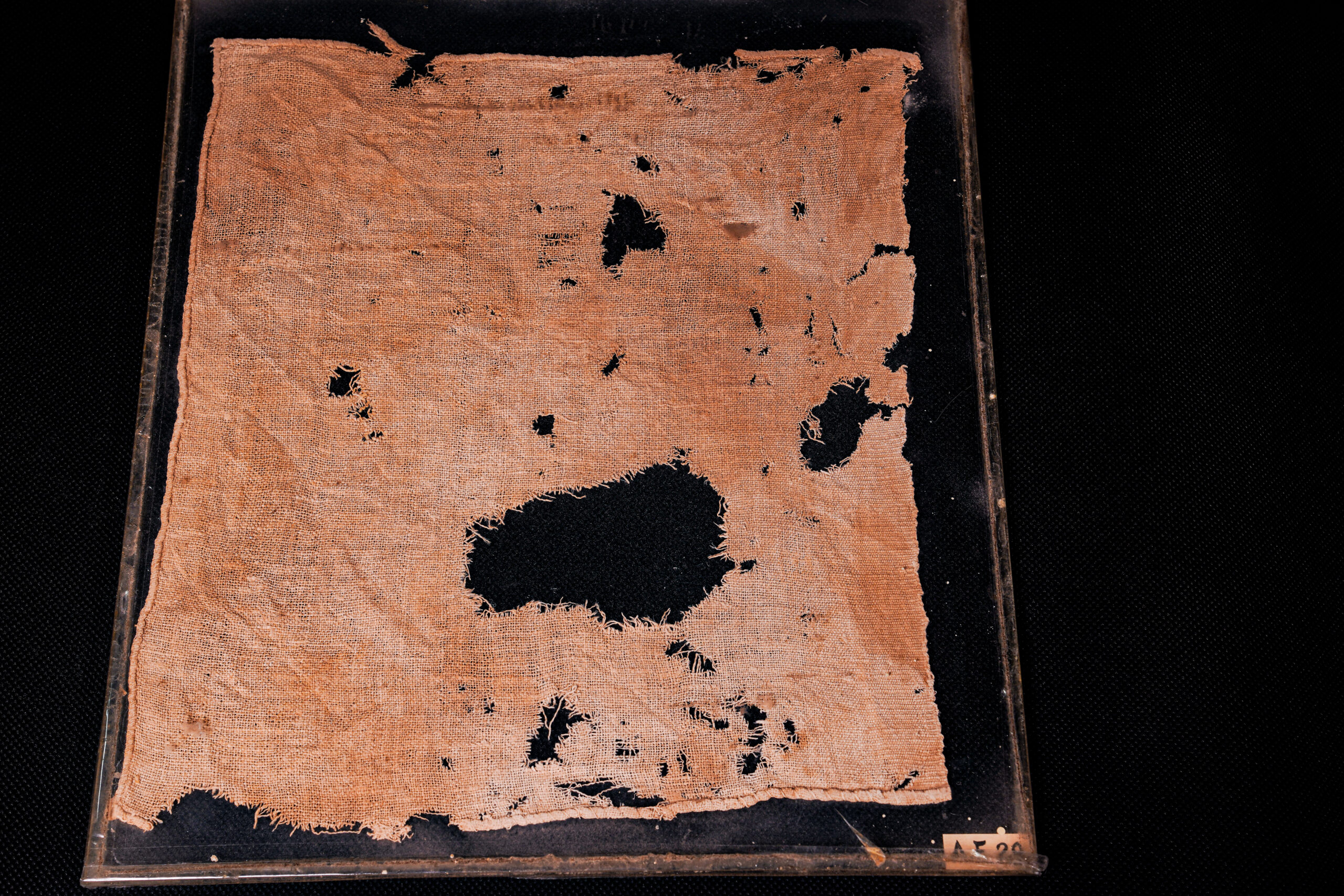
The discovery of these scrolls by the modern world happened in 1947. It is attributed to a young Palestinian shepherd, Muhammad adh-Dhib from the Ta‘amra tribe of Bethlehem, who grazed his herd around the cliffs close to the Dead Sea, around 12 kilometers south of Jericho. He coincidentally discovered a cave by the cliffs north of Khirbat Qumran. Inside it, there were jars containing leather scrolls that were carefully wrapped in linen cloth. He took away three scrolls from one of the pottery jars, and sold them to Professor Eleazar Sukenik of the Hebrew University of Jerusalem. Another four scrolls were collected later by Muhammad and his cousin, and were eventually acquired by the Bishop of the Jacobite Community of Bethlehem, Athanasius Samuel, through an antique dealer from his community. The Bishop took the four scrolls to the United States of America where he sold them to help fund his church. Eventually, the scrolls returned back to the area, as they were acquired by the Hebrew University and are now exhibited in the ‘Shrine of the Book’ museum in West Jerusalem.
Extensive excavations took place at the caves where the scrolls were found, and the area around them. These excavations shed light on the writers of the scrolls and the kind of life they led. Eleven caves were excavated between 1947 and 1956; while excavations outside the caves between 1951 and 1958 included a terrace, Khirbat Qumran to the north of Wadi Qumran, made up of mud deposits. The western half of this terrace was a residential area and in the lower part around 1000 tombs were found. All the scrolls were found in the caves while none were found at the terrace of Khirbat Qumran.
According to Classical writers, the community at Qumran was part of a religious fundamentalist Jewish group called ‘the Essenes. The Essenes considered themselves as the ‘real Israel’ who would replace the high priesthood of the Temple of Jerusalem. They imitated the 40-year Exodus in the desert, anticipated the coming of the Kingdom of God and the arrival of the Messiah, after a 40-year war between the ‘Sons of Light’ and the ‘Sons of Darkness.’ They, of course, considered themselves the ‘Sons of Light’ and their victory as pre-destined by God.
The Copper Scroll remains till the present day a mystery that is difficult to solve. Most of the other Dead Sea scrolls are of a religious nature and were written on leather or papyrus. This scroll was written on metal and is not religious at all; on the contrary, it includes information about hidden treasures.
When the scroll was found during archaeological excavations in March 1952 in Cave Q3, it was totally oxidized thus it was impossible to open and read it. It consisted of three separate sheets of 99% copper metal approximately 1mm thick, two of which were riveted together and then rolled up. Archaeologists decided to cut the sheets into strips to read the content. A special saw was invented for this mission and the scroll, which totals around 2.30m in length, was cut into 23 strips in 1955-56. The wording was hammered into the copper, with each letter requiring several strikes. The text was written in Hebrew Mishnaic dialect of the first century AD.
Site: Khirbat Qumran, near the Dead Sea.
Period: Around 100 AD.
Pictures Of Pieces